How to install an axle in 56 easy steps

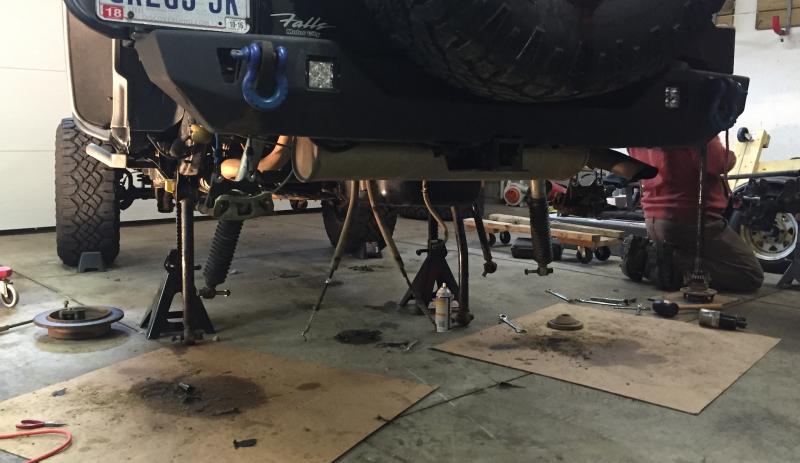
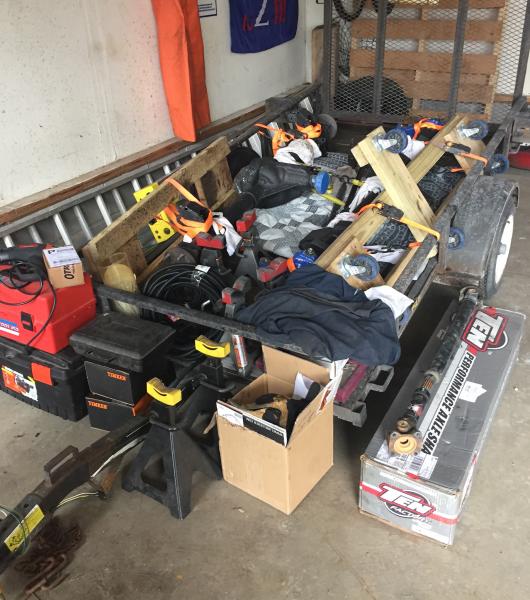
Took all the stuff, including the axle housing to Rob’s place for the axle install. He has a nice 2 1/2 stall garage to work in. I think the kitchen sink is in one of those boxes. 
This took a lot longer than I had estimated. I figured around 4 hours, ended up taking 12. Ran into a couple of hiccups.

A high school friend, Peter, had come over to help but had to leave early. Sam also came over and was a huge help.

Don’t have a lot of photos, but hope to have a time lapse video in a few days.
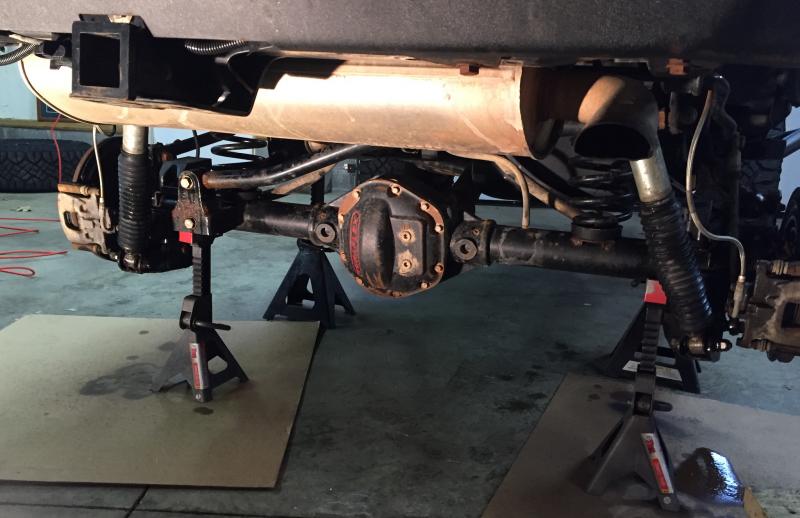
The finished product:
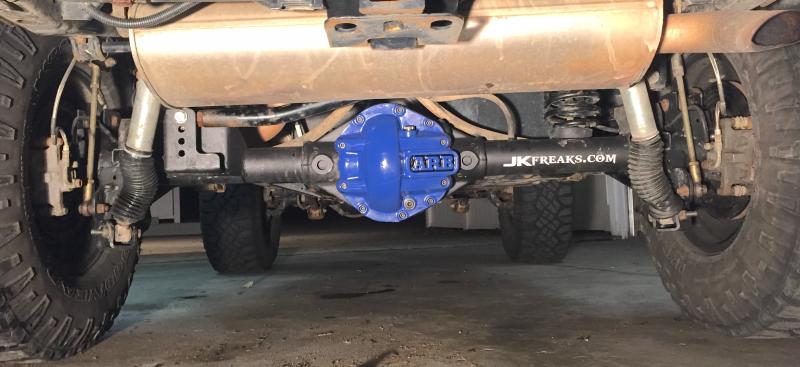
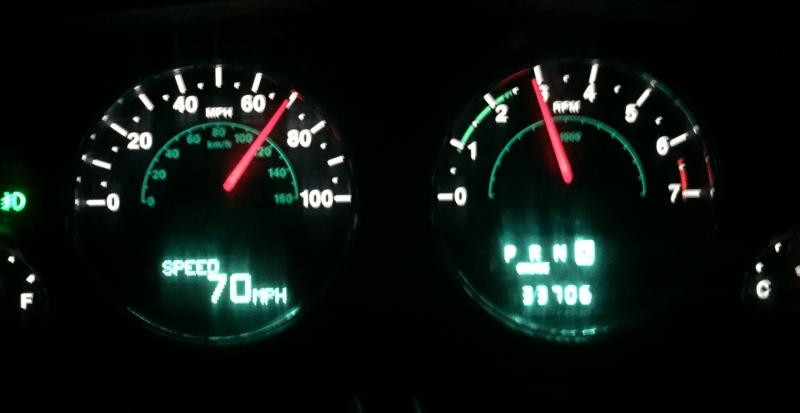
After using a ProCal to set the final drive gear ratio, took it for a test drive I took this on the way home. Tracks with the GPS. Looks about right!
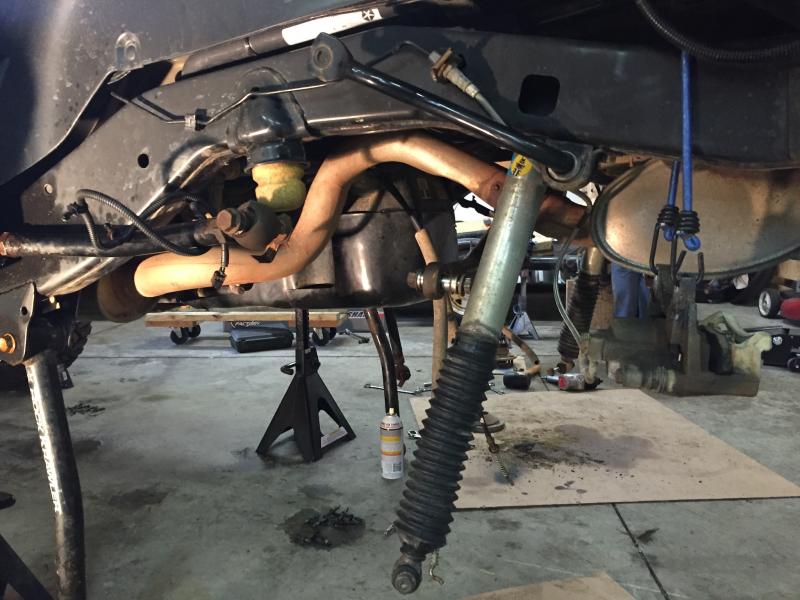
Here were the few quick easy steps we took to swap the axles:

  1. Put wheel chocks in front/behind front wheels
  2. Support frame on jack stands.
  3. Remove wheels
  4. Drain gear oil.
  5. Support axle on jack stands with cart.
  6. Remove calipers – support with bungee
  7. Remove brake rotors.
  8. Disconnect speed sensor plugs.
  9. Remove rear drive shaft from pinion. Support with bungee
  10. Remove axle flange nuts (4 each side)
  11. Connect slide hammer to lug bolts and remove rear shafts with parking brake assemblies
  12. Plug the housing tube ends with rags.
  13. Disconnect breather hose
  14. Disconnect parking brake cables.
  15. Remove lower shock bolts.
  16. Remove lower track bar bolt.
  17. Remove lower sway bar link bolts.
  18. Remove upper control arm bolts.
  19. Remove lower control arm bolts.
  20. Take disconnected housing off jack stands and on a floor jack to get it out of the way.
  21. Swap spring wedges, retainers and springs to new housing.
  22. Swap bump stops to new housing.
  23. Remove speed sensors from old shafts
  24. Remove parking brake assemblies and dust shields from old housings
  25. Install dust shields and parking brake assemblies on new shafts.
  26. Remove old Rubicon shafts bearing races and replace with new races.
  27. Put High Temp Bearing Grease in new shaft bearings.
  28. Slide new shafts into new housing. Tighten 4 axle nuts
  29. Install speed sensor in new shafts
  30. Slide new housing into place under the Jeep
  31. Install CA bolts – hand tight
  32. Install Track bar bolt – hand tight
  33. Install sway bar bolts
  34. Install lower shock bolts
  35. Connect speed sensor plug
  36. Install parking brake cables
  37. Connect diff breather hose
  38. Install brake drums
  39. Install brake calipers
  40. Remove old diff cover
  41. Clean differential face
  42. Spray out inside of diff with brake cleaner
  43. Install Lube Locker and diff cover
  44. Put new housing on axle cart and slide into place.
  45. Fill new axle with gear oil
  46. Remove axle cart
  47. Jack up Jeep and remove frame jack stands
  48. Set axle housing on jack stands on ground.
  49. Torque CA bolts
  50. Torque TB bolt
  51. Reconnect rear drive shaft
  52. Replace wheels
  53. Lower vehicle to ground
  54. Check axle centering – adjust track bar if necessary
  55. Use ProCal to set gear ratio to 4.88
  56. Drive it.

Locker wiring

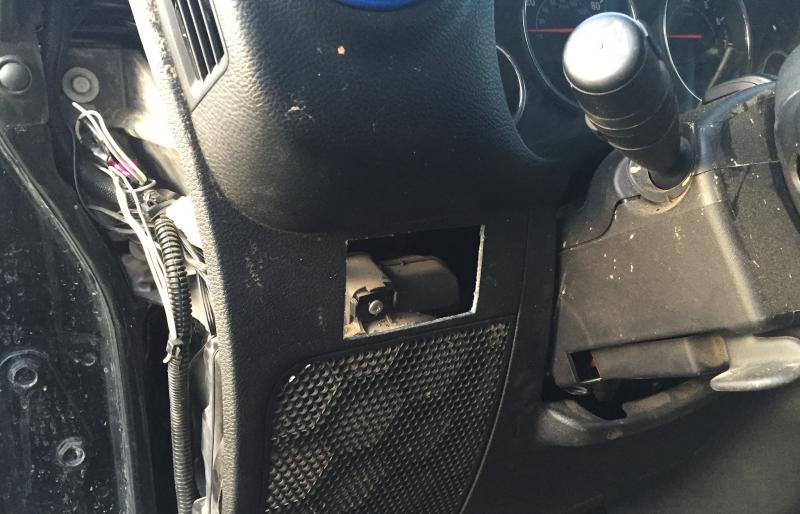
Got started on the electrical for the lockers. I wanted them in the dash to the left of the steering wheel. After deciding where I wanted them, used on oscillating saw to cut out the opening.

I set the housing in place for a test fit. The left side will be for the rear locker, the right for the front, and the middle for the indicators.

I also installed the switch for the locker power. I wanted a way to disable the locker switches – just to keep accidents from happening. 

Axle build progress

A few quick updates.

While the axles were still in progress, I figured it was as good a time as any to replace the inner axle seals on the front housing. Rob came over and we went to work. I need to preface this by saying neither of us had ever done this before. But the procedure seemed simple enough. Remove the locker, replace the seals, put the locker back in. It’s important to make sure that everything you take out has to go back in the same way. The shims, bearing races, bearing caps and bolts all need to go back into the same side and orientation as they came out.

First step, we put the housing up on the bench.

After rotating it pinion down, opened the housing, snapped a few pictures for reference, and removed everything. I put each piece into a ziplock baggie with a piece of paper that indicated where it came from.

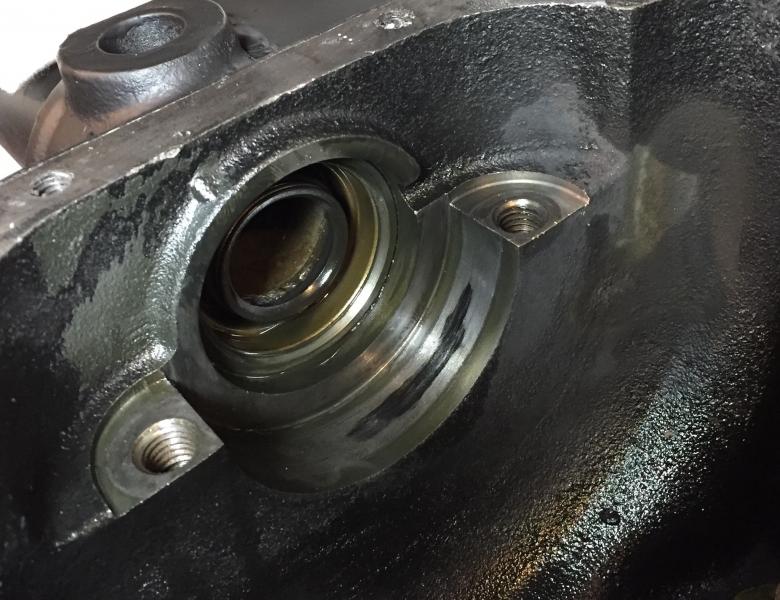
The seals didn’t look bad, but, too late now. Took a piece of soft copper pipe and knocked out the seals from the outside into the housing, keeping sure not to knock any crap inside.

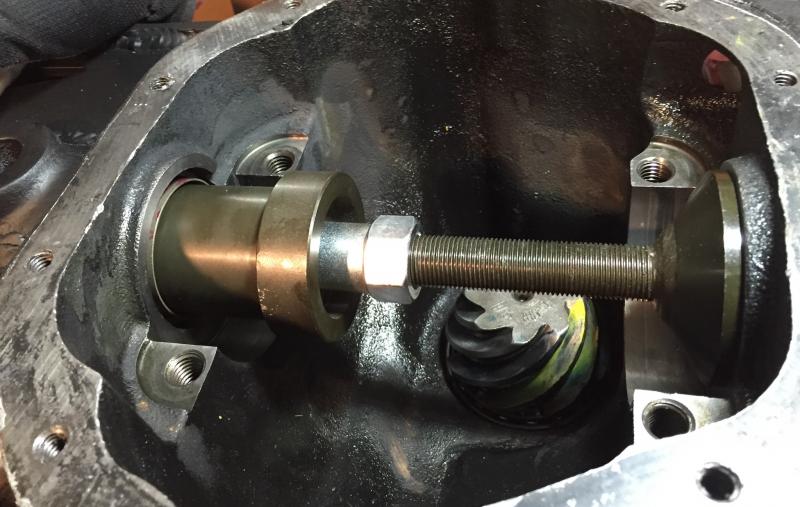
A fellow Jeeper was kind enough to ship me his Yukon seal press. this thing makes it a snap to install seals. I cleaned everything out and made sure there was no crud or grease where the seals were going. 

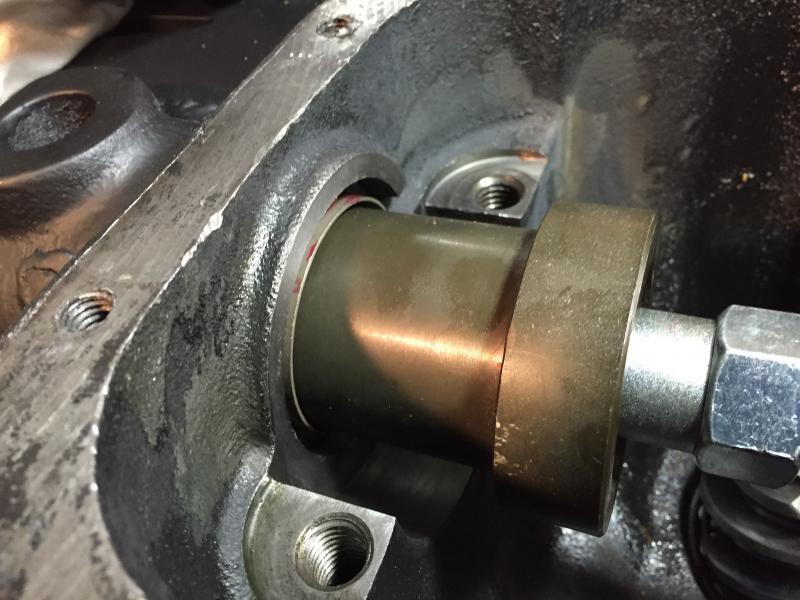
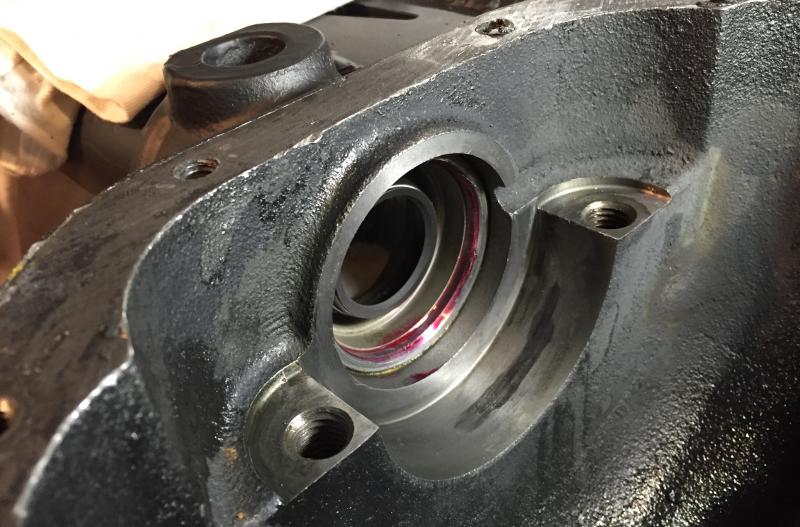
At Andy’s suggestion, I coated the outside of the seals with red lock tite. After setting one of the seals in place, and inserted the press, it was just a matter of using a wrench on the nut to press it into place. The other side was just as easy.

After the seals went in, it was time to put the locker back in. That did not go as well as planned. As hard as we tried, we couldn’t manage to get the locker and shims back in at the same time. I tried putting the locker in with the shims on one side, then slipping the other side in, that didn’t work. We tried to get both sets of shims in at the same time, and it just wasn’t going in right. We tried just about everything, using a hammer to try and tap the shims in, but I ended up damaging the shims to the point where I no longer trusted they would be usable.

I ended up taking everything back to Davis Race Car in Madison, OH and within about 20 minutes, with the help of a case spreader, we had everything back in with new shims. Jason Davis seemed to think the locker was in a little tighter than he normally would do, but there was nothing wrong with this install. Ran a quick contact pattern and it was perfect. The case spreader made a bug difference. Just needed to stretch the case a few thousandths of an inch.

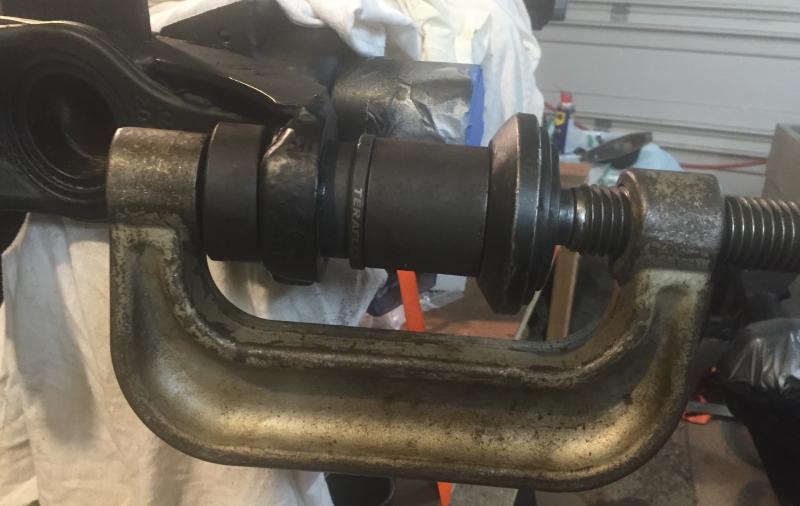
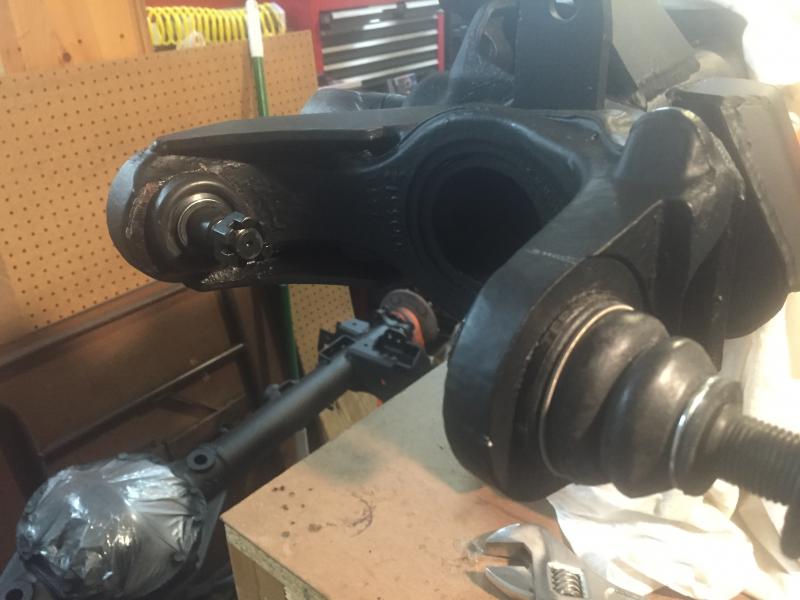
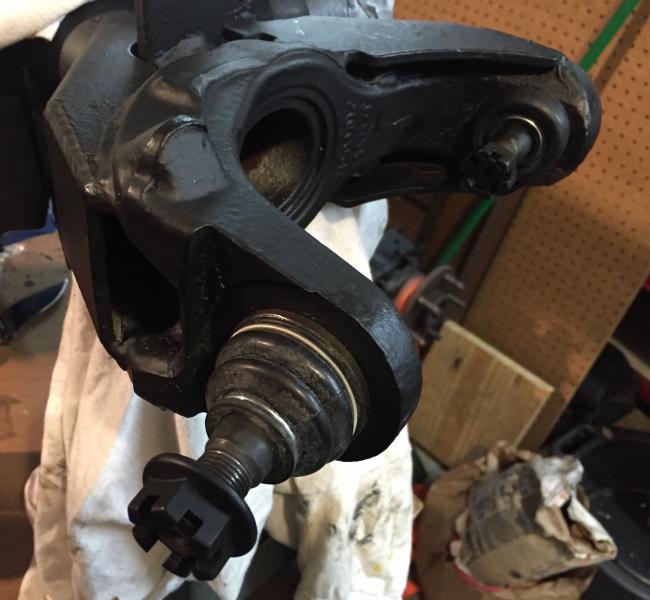
Before taking the axle up to Davis, we installed the ball joints. I bought a set of Teraflex Heavy Duty ball joints and rented a ball joint press from Advanced Auto. The only problem was this set did not come with an angled adapter to match the angle of the steering yoke. A little with work with a grinder solved that. 

Still need to grease these, and Teraflex guarantees these for life, as long as they are properly maintained – a little grease every other oil change should do it.

Getting closer

I’m hoping to get the axle seals swapped out on the front this weekend. If I can get that done, I can go ahead and put the front together as much as I can – ball joints, steering knuckles, axle shafts and bearings. They’ll be ready to go in after that. I still have to work on the wiring, however, for the lockers.

My hope is, I will be ready to install them either the weekend of the 5th or the 12th. I really have no idea how long this will take – my guess is 4 hours each, so I might do this over Saturday and Sunday – who knows.

SOOOOO …. If you’re in the Akron, OH area and feel like helping with an axle swap, send me a PM. Bring a heater.

Rust is the enemy

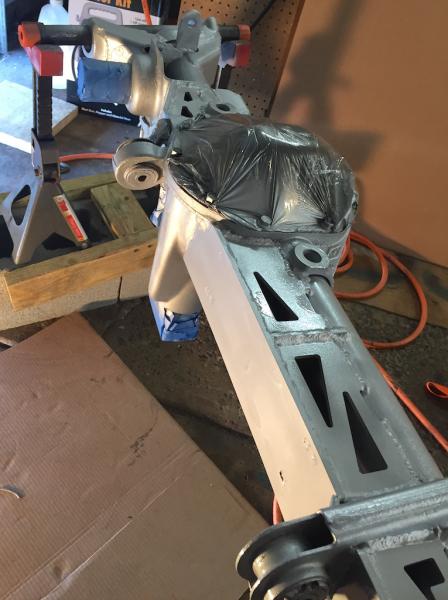
I spent Saturday doing more work on the axle housings. Today was rust prevention and paint! With 60+ degrees, this was the best day I was going to get for a while.

Finished taping off parts of the housing I didn’t want painted – locker plugs, pinion yokes, diff covers, etc. and applied 3 coats of Rust Bullet Automotive. This stuff, I am told, is pretty awesome for preventing rust. Needs 50+ degrees for ideal temp, so today had to be the day. But you have to follow the directions. Comes in cans, and it is expensive. The quart I bought was $45. Plus there is a special solvent you have to use. No way I was going to brush it on, so I bought an HVLP gravity feed spray gun.

You just need to remove the loose scale, although I went a little better than that, and paint it on. The Rust Bullet reacts with the rust and hardens it, locking it in place. I had to apply at least 3 coats (to get .0006 inches), waiting no less than 4, and no more than 6 hours between coats. Any longer and you have to wait 24 hours, scuff everything with 150 grit sandpaper, before you can apply another coat. First coat went on at around 10:00 this morning. Then at 2:30 and again at 7:00.

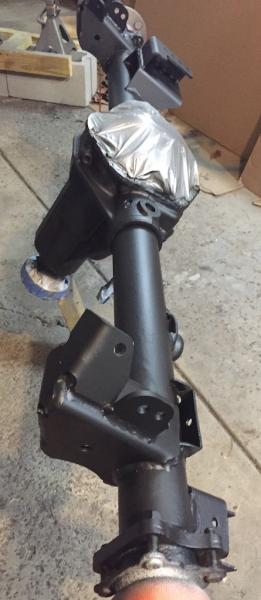
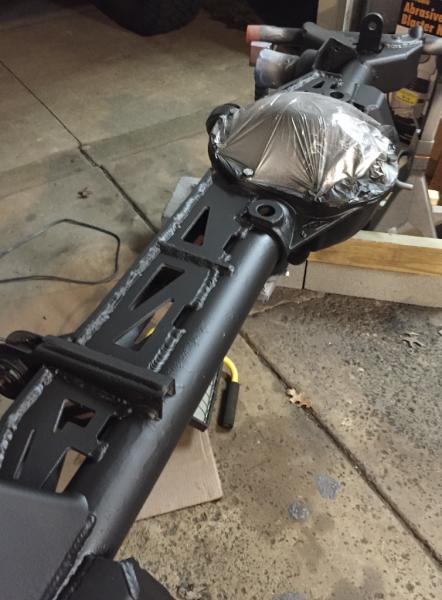
Roughly 4 hours later, I applied the top coat of matte black. You have to apply the top coat within 6 hours as well, or you have to scuff it up again. I’ve heard that if you don’t do this, the top coat will just peel off. I screwed up and only ordered one can of black paint. Got lucky and it covered everything. I’ll go back in a couple days and apply a second and maybe third coat of black.

Still to do:

* Replace axle seals
* Install ball joints, steering knuckles, unit bearings and axle shafts
* Install diff covers
* Install and wire switches for lockers
* Install axles!

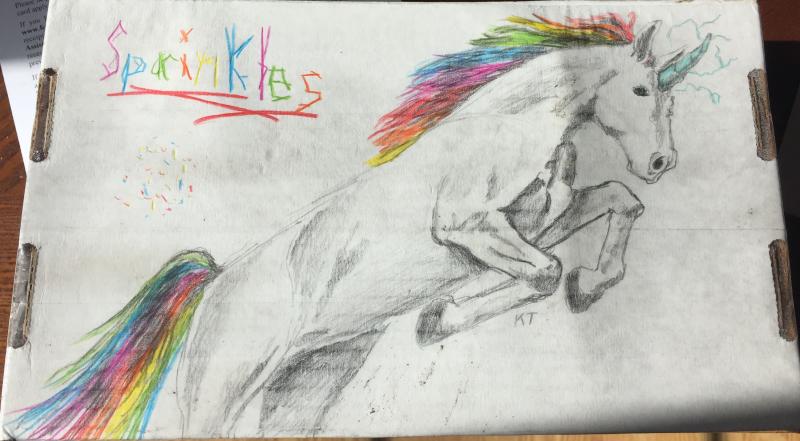
Sprinkles the Unicorn

When I ordered the LEDs, I decided to put something in the Special Instructions box that everyone else leaves blank.

I entered something to the effect of “Please include an original drawing of a Unicorn. Your artwork will be judged on originality and effort and not accuracy. Please give it a name.”

I noticed this on the bottom of the box today as I WAS about to throw it away. A+

This little light of mine …

Teraflex HD ball joints came in, plus the Lube Lockers came in today. I almost didn’t get the LLs but I figured – might as well. LOL!

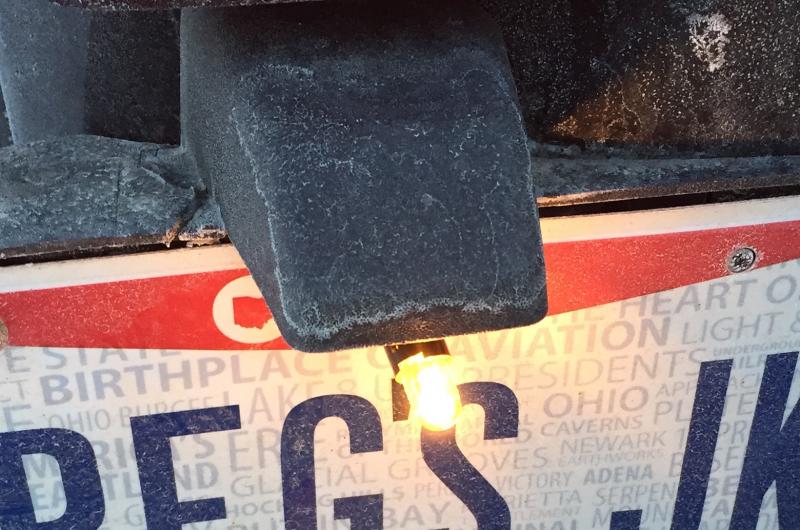
Took a little break from the axle for a cheap upgrade to the interior lights. Ordered a few of replacements from Super Bight LEDs for the license plate light and the interior lights. Definitely a noticeable improvement in brightness. Any brighter, and they’d probably be annoying.

License plate:

Interior:

The part number for these was WLED-CW5-CBT (cool white). For $3.95 a piece, and $2.99 for shipping, how could I go wrong?

Parts is parts

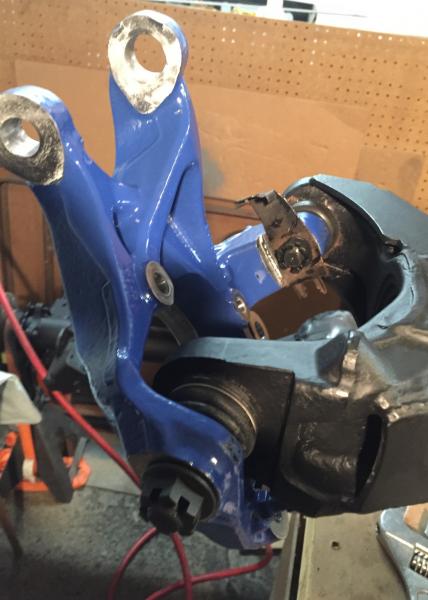
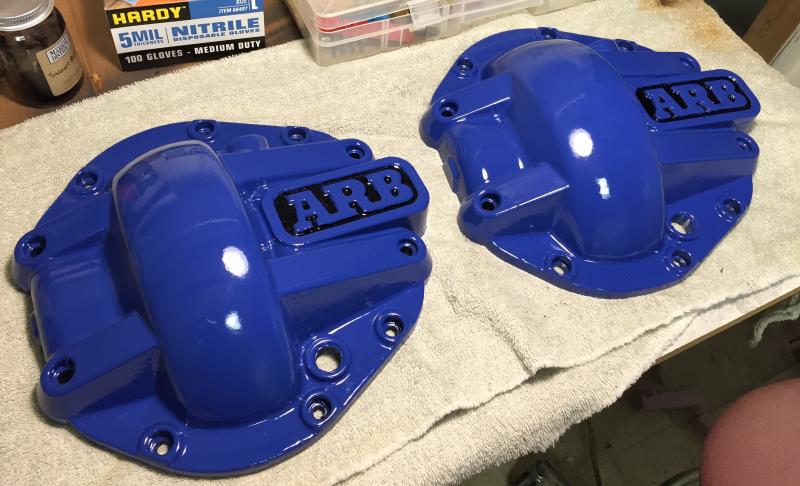
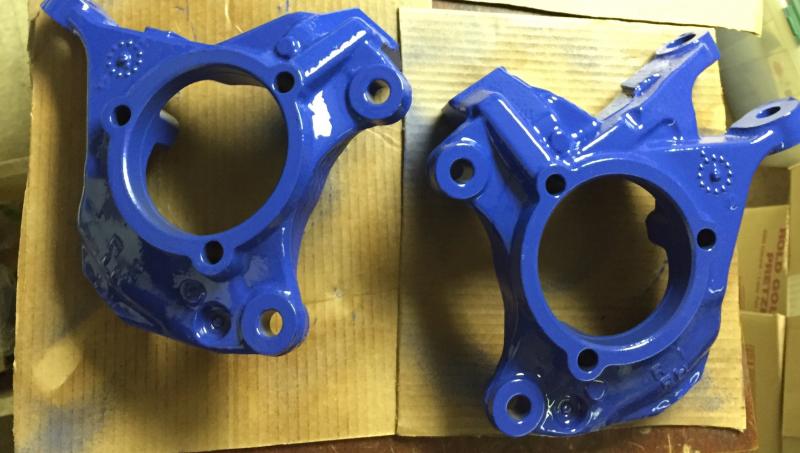
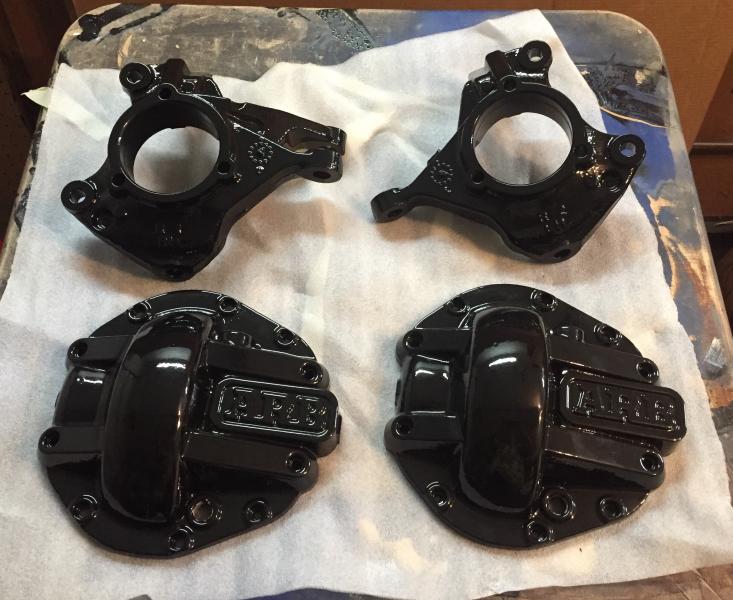
Painted the steering knuckles and diff covers.

Still need to clean off the machined surfaces on the knuckles with a Dremel.

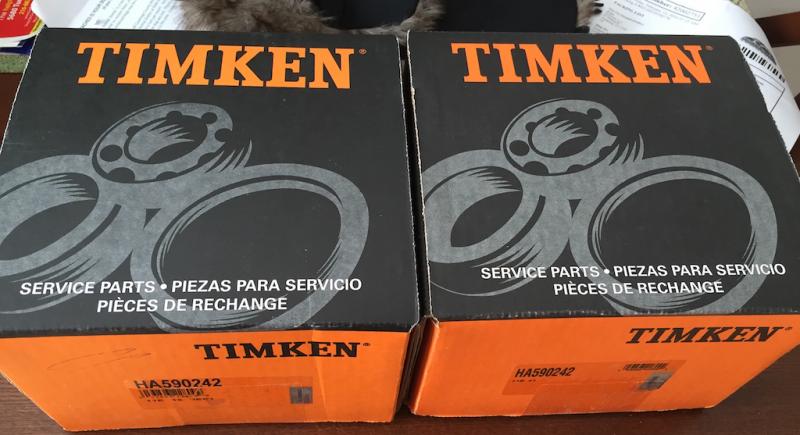
Got the bearings in today. These are NOT what the cross reference says I should use for a 2014. The only difference was the length of the ABS wire. These were much easier to find and a lot cheaper.

I’ll be ordering the Teraflex ball joints and some Lube Lockers this weekend.

That’s not supposed to do that.

A couple of updates.

Got the housings back from Davis Race Car on Saturday morning and the situation was much better than expected. Jason went ahead and took apart the rear carrier and the pinion to make sure everything was OK. Everything checked out just fine. He did notice the bulkhead connector for the locker was broken, so he replaced that. Put it all back together and installed the stock pinion flange. Even after all of that, the total bill was only $65.13. He could have easily charged me a lot more. Super nice guy. He came highly recommended, and now I know why.

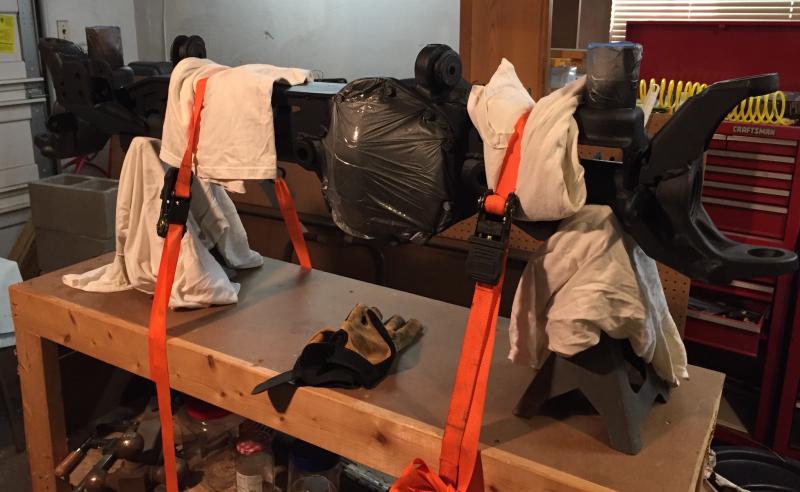
Davis Race Car is about 45 miles from my house. I borrowed a trailer from my old boss for a while to drag the housings from place to place. Went and picked them up, got about 500 feet from my house and CLANK, CLANK! I looked in my side view mirror and saw the front housing hanging over the side of the trailer by the ratchet straps I tied it down with. Oops. I don’t believe it hit the ground, but pretty scary. I lifted it up and put it back on the trailer. I wish I had taken a picture. No harm, no foul. But I’m glad it happened on my street than at 75MPH.

After I got them home, I was looking over the axles, and noticed this:

This is where the truss on the driver’s side is welded to the pumpkin. Not sure what happened. It could have been related to the above mishap, but could have also been a cold weld? Texted Andy and took them back to his place Saturday evening.

All fixed! Thanks, Andy!